
Gender Pay Gap Reporting: Have we made progress, or are we just better at counting the women in our organisations?
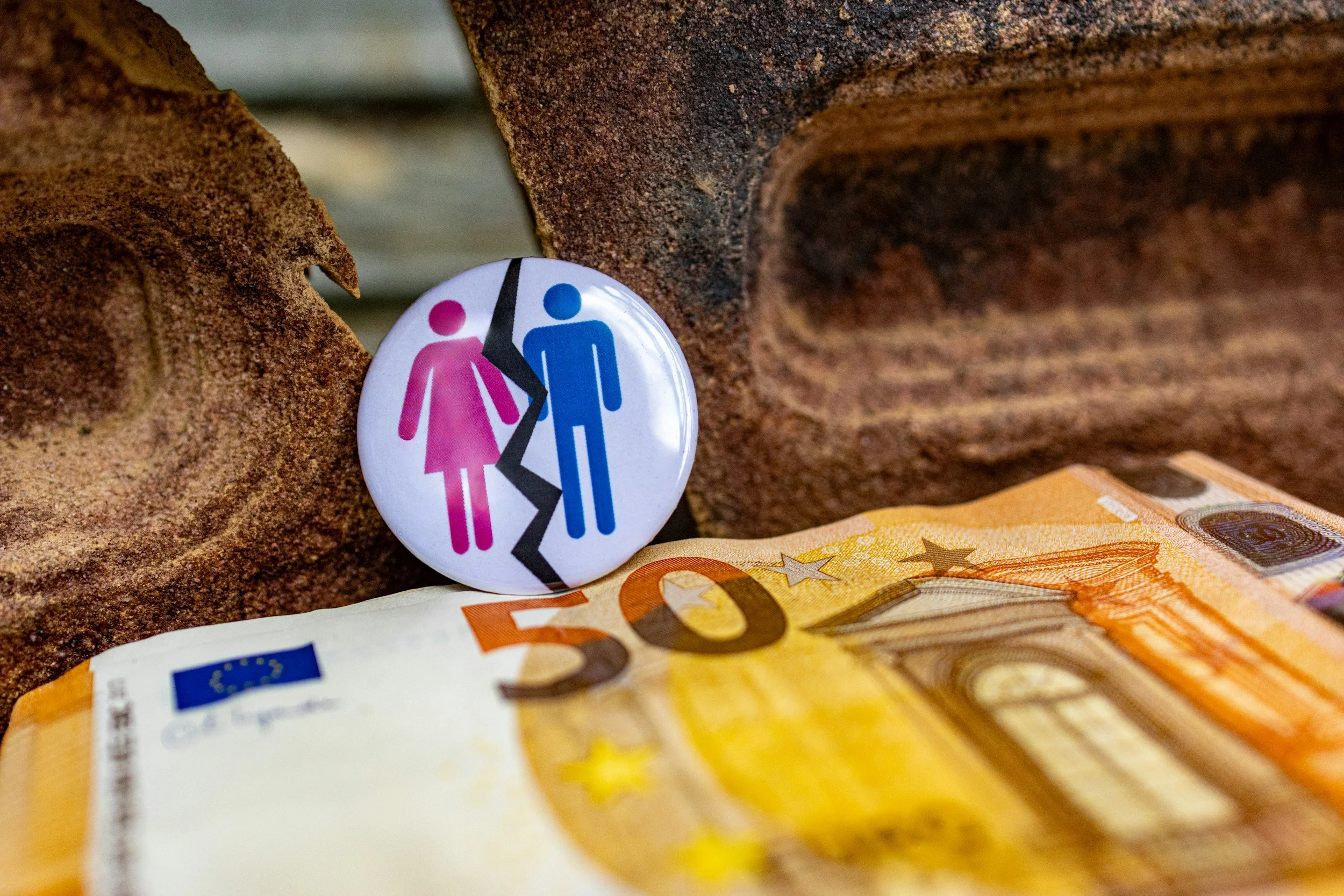
November is approaching, and across Ireland, HR, Finance and leadership teams are preparing for another round of gender pay gap reporting.
Spreadsheets are being populated. Pay quartiles are being examined. Mean and median differences are being calculated. Narratives are being drafted to explain why the numbers look the way they do.
And that's important. Transparency matters. Measurement matters. Accountability matters.
But I find myself asking a more uncomfortable question.
Have we genuinely made progress on gender equality, or have we simply become better at counting the women in our organisations?
Representation is not the same as equality
We can tell you how many women work in our organisations. How many occupy senior positions? How many sit in the upper pay quartile? How many have been promoted or recruited?
But numbers alone tell us very little about the experience of being a woman in those organisations.
They don't necessarily tell us whether women have equal influence around the executive table. Whether their opinions carry the same weight.
Whether their career progression is supported by the same sponsorship and opportunity afforded to male colleagues. Whether assertiveness is celebrated as leadership in a man but characterised as difficult behaviour in a woman.
Or whether women are afforded the same dignity, fairness and respect when their employment comes to an end.
We can achieve greater representation without necessarily achieving greater equality.
And that is a distinction worth examining.
The numbers tell us there is still work to do
According to Ireland's Central Statistics Office, women represented 32.3% of senior executives in large enterprises in 2025, compared with 30.4% in 2023.
Progress? Yes.
But women accounted for just 19.2% of CEOs and 17.8% of board chairpersons.
So while female representation is moving in the right direction in some areas, decision-making power remains disproportionately concentrated.
It raises a question for every board and executive committee.
Are we creating genuine pathways for women to reach the most influential positions in our organisations, or are we becoming more comfortable reporting on why they haven't?
The decisions behind the data
A gender pay gap does not emerge in isolation. It is often the cumulative result of hundreds of decisions made over many years. Who gets identified as high potential?
Who receives the stretch assignment? Who is sponsored for promotion rather than simply encouraged to apply? Who is considered ready for the next role, and who is told they need another year of experience? Who has their salary challenged at recruitment?
Who is rewarded for commercial success?
And who gets the benefit of the doubt when things become difficult?
None of these decisions may appear particularly significant on their own.
But collectively, they shape the organisation we eventually measure.
The pay gap is often the outcome. Leadership decisions are frequently part of the cause.
What happens when the game is over?
There is another dimension to gender equality that rarely features in reporting.
What happens when a senior woman's role is no longer required?
When a restructuring takes place? When a business is sold? When leadership relationships break down?
When someone who has contributed years of experience, commitment and loyalty finds herself on the other side of the employment relationship?
Do the values of fairness, dignity and respect still apply with the same conviction?
Or do those values become less visible when the individual is leaving rather than joining?
Organisations rightly invest in female leadership programmes, mentoring, succession planning and inclusive recruitment.
But equality cannot be confined to how we attract and promote women.
It must also be evident in how we challenge, support, listen to and ultimately part company with them.
A company's culture is not only reflected in how it welcomes people.
It is often revealed most clearly in how it treats them when they leave.
From reporting to responsibility
I am not suggesting gender pay gap reporting has failed.
Quite the opposite.
The introduction of mandatory reporting has brought a level of transparency that was long overdue. It has made some uncomfortable conversations unavoidable. But reporting should be the beginning of the conversation, not the conclusion. If we are serious about progress, leadership teams need to move beyond explaining the numbers and start challenging the systems that produce them. That means examining recruitment decisions, succession planning, promotion rates, reward practices and access to commercial opportunities. It means understanding why talented women leave, why some never progress and why others decide that the personal cost of senior leadership is simply too high.
It means listening to women's lived experiences rather than relying solely on employee survey scores.
And it means holding leaders accountable for the decisions they make, not simply the diversity statistics they report.
A challenge for leadership teams this November
As you prepare to sign off on your organisation's gender pay gap report, ask yourselves:
Are more women genuinely progressing into positions of influence, authority and commercial accountability?
Are promotion, remuneration and succession decisions being challenged for potential bias?
Are women experiencing the culture we describe in our annual reports?
Do we apply the same standards of dignity, transparency and fairness when women leave the organisation?
And most importantly, what have we actually changed since publishing last year's report?
Because a beautifully produced report is not evidence of an inclusive culture.
It is evidence that we can produce a report.
The real evidence lies in the decisions we make every day.
Closing the gap means more than closing the numbers
After more than two decades working in People leadership across different organisations, industries and countries, I believe progress is possible. I've seen the impact of strong leaders who genuinely champion equality, challenge unconscious assumptions and create opportunities for talented people. But I've also learned that the real test of organisational values often comes when those values are inconvenient. When difficult decisions must be made. When someone challenges the prevailing view.When the business faces pressure. Or when an employment relationship reaches its end. As another reporting season approaches, perhaps it's time we expanded our definition of progress.
Close the gap on pay.
Create an even playing field.
But when the game is over, treat the she the same as the he.
Because equality should never be something we simply report on.
It should be something people experience.
